Podcasts vs Music vs Nothing: What to Put in Your Ears for Every Workout
Workout audio gets chosen by habit — the same playlist, the podcast backlog — while the research says the right answer changes by session: music for intensity, podcasts for duration, and silence for more than anyone expects. The matching guide.
The Matching Logic
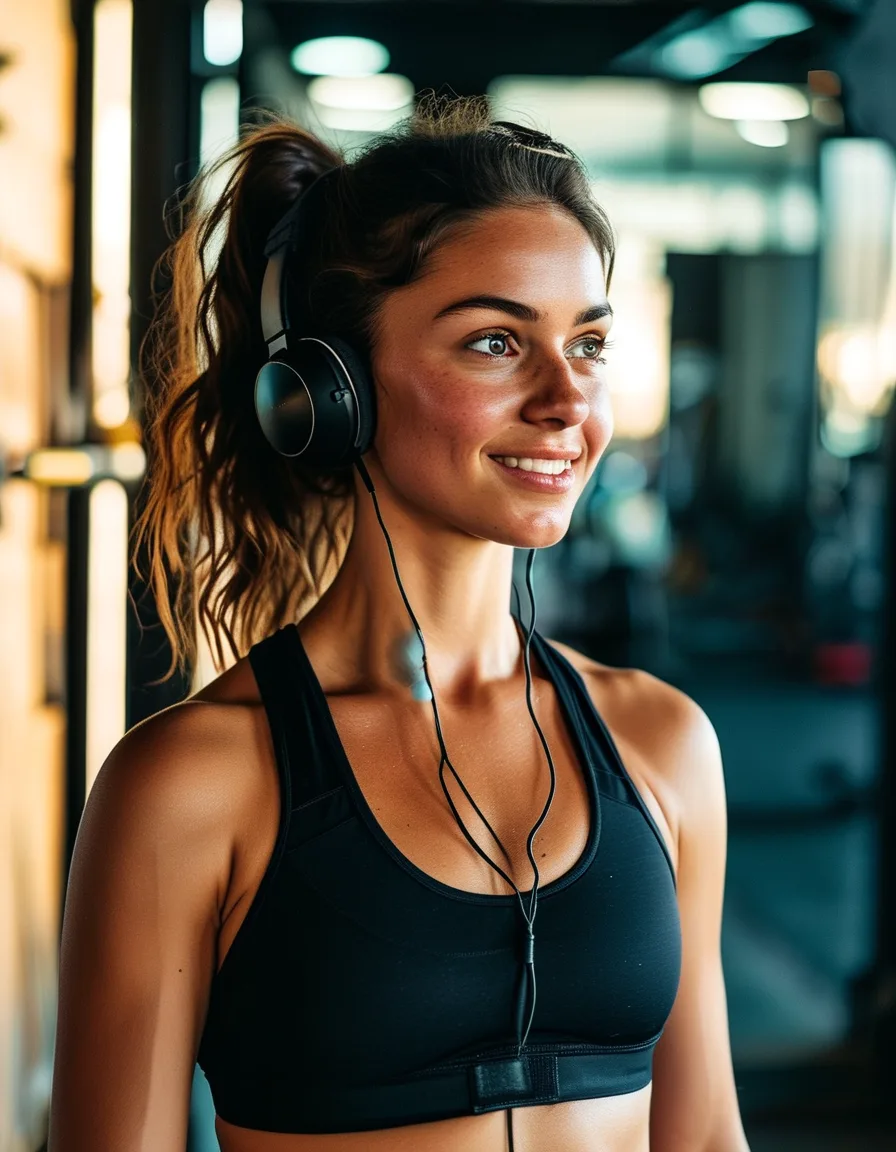
Audio by session type: hard intervals want music (the tempo-and-drive effects peak at high intensity — the BPM-matched playlist is measurable performance support; podcasts at threshold pace are wasted words), easy-and-long sessions want podcasts (the dissociation that makes long easy miles fly — the podcast-walk and easy-run bond; comprehension survives conversational pace fine), strength training splits (music between sets, but the focus-heavy lifts reward less input — the heavy-set headphone pause is a real technique), and skill work wants quiet-ish (the running-form session and the new-lift day need the attention the podcast is renting).
The Tempo-and-Talk Science
Why the matching works: music’s mechanisms are arousal and rhythm (the workout-playlist science — perceived-effort reduction and cadence-sync; both peak when effort is high and movement is rhythmic), podcasts’ mechanism is attention-occupation (the mind engaged elsewhere while the body cruises — brilliant at zone-one-and-two, counterproductive when the body needs the bandwidth), the talk-test crossover (if you can follow a podcast plot comfortably, you’re in the easy zone — the accidental pace governor; losing the thread means the effort climbed), and the audiobook wildcard (the chapters-only-while-moving rule from the reading world — the temptation-bundle that gets runs done on motivation-free days).
The Case for Silence
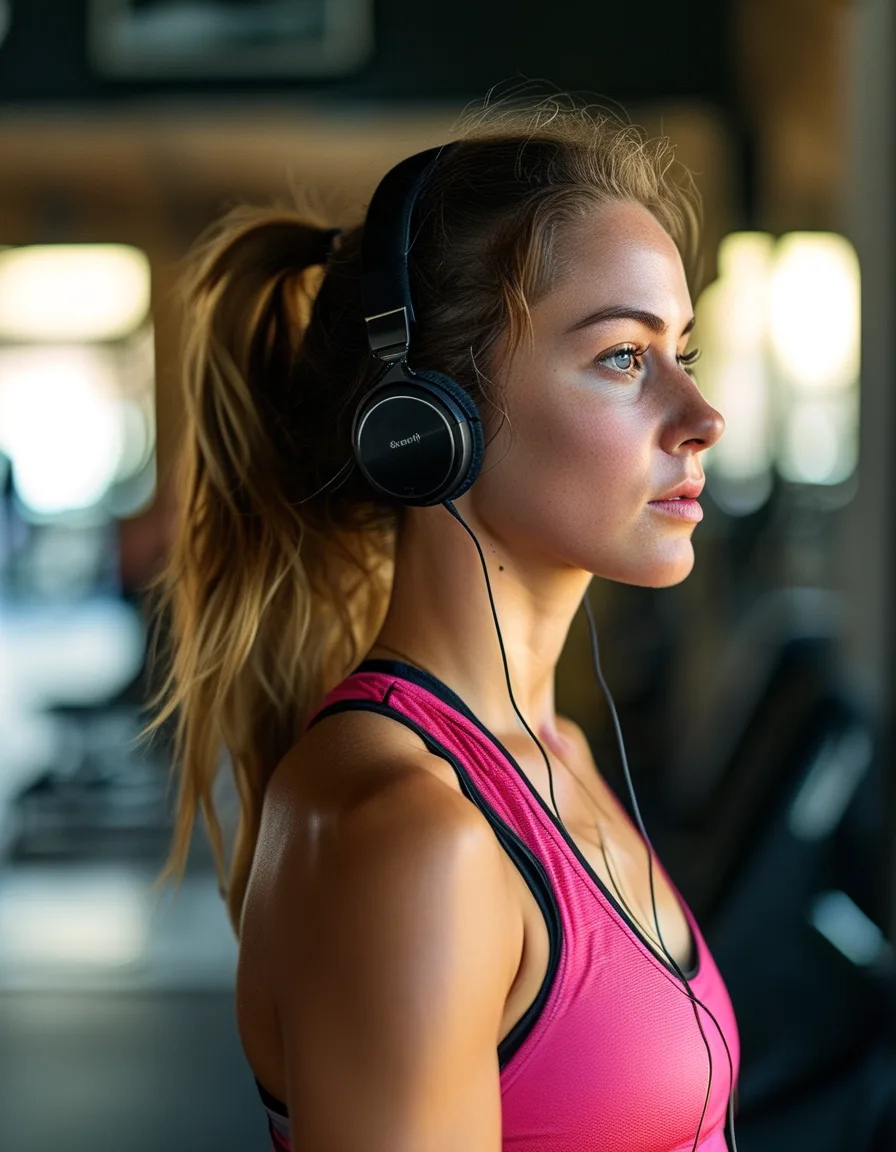
The unplugged session: the interoception argument (body signals — breath, footstrike, effort — get heard when nothing’s over them; the occasional silent run recalibrates the pacing instincts audio outsources), the mental-health wing (the unplugged walk is where the thinking happens — the walking-meeting-with-yourself; problems walked on in silence come home smaller), the race-simulation practicality (many races restrict headphones — the runner who never trained silent meets their own breathing at kilometer one, as a stranger), and the dose suggestion (one silent session weekly — not a purity program, a skills session; most people report dreading it and then defending it).
The Practical System
Programming the week’s ears: the audio plan follows the training plan (intervals = the power playlist, long easy = the podcast queue, recovery walk = the audiobook chapter, one session = nothing — the ears get periodized like the legs), the queue logistics (the pre-downloaded episode and the pre-built playlist — the trailhead with no signal has ended more podcast runs than fatigue has), the safety overlay (the outdoor sessions keep transparency mode or one ear regardless of content — the awareness rules outrank the entertainment), and the enjoyment clause (all of this bends to what gets you out the door — the perfectly-periodized audio plan loses to the guilty-pleasure playlist that actually starts the run). Ears programmed, sessions matched — the audio was training equipment all along.
Music for hard, podcasts for long, silence once weekly, download before leaving. Workout audio is periodized equipment — match it to the session and every mode gets better.
Keep Reading
This article is for general informational and styling purposes only. Fit, sizing, and product availability may vary.