Earbuds That Stay Put: The Runner's Fit-and-Function Guide
The mid-run earbud adjustment — every hundred meters, the little push — is a fit problem sold as inevitable. It isn’t. The runner’s earbud guide: the fit-style taxonomy, the specs that matter (sweat rating over sound quality, honestly) and the checkout tests.

The Fit Taxonomy
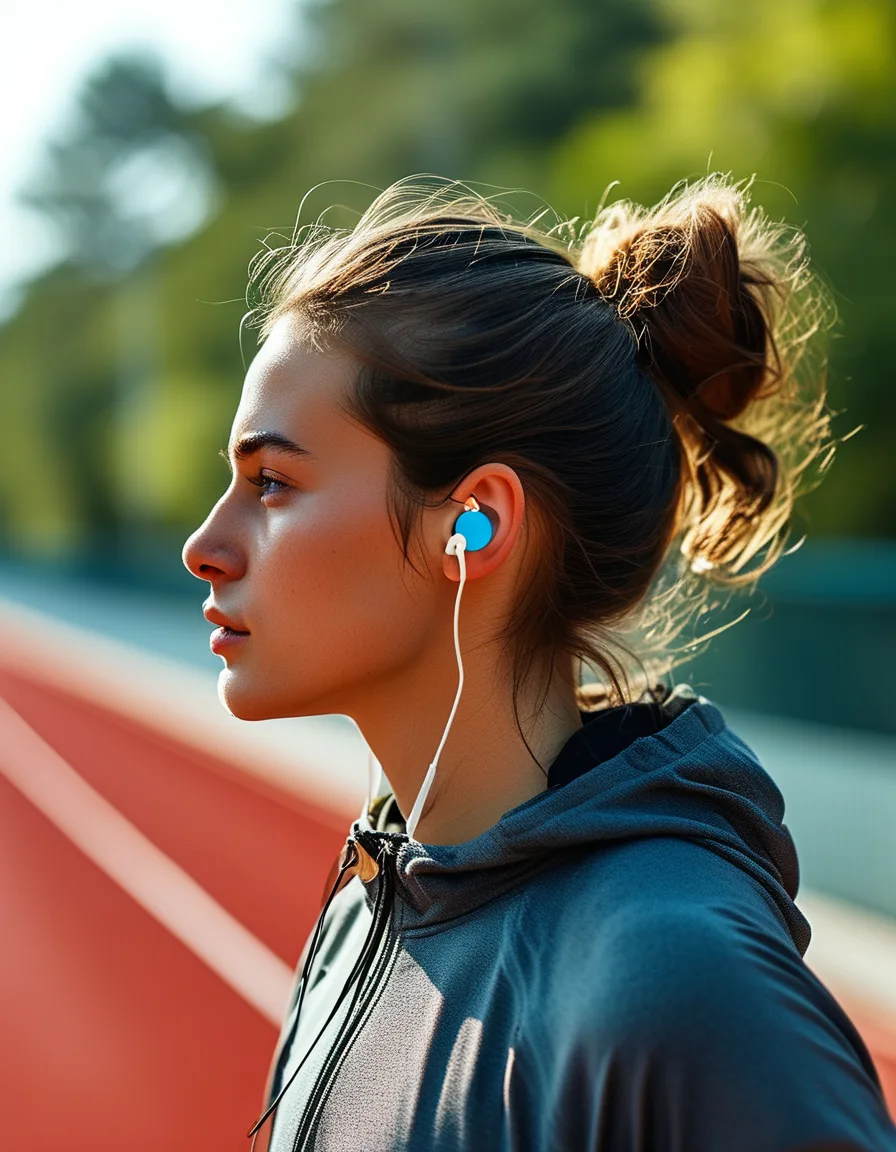
The retention styles: the wing-tip tier (silicone fins bracing against the ear’s ridge — the most secure in-ear style; the fit that survives sprints), the ear-hook tier (the over-ear loop of the sport-specific lines — maximum security, glasses-and-sunglasses negotiation required), the open-ear revolution (the air-conduction and clip styles that don’t enter the canal at all — the awareness-first option winning the safety-conscious market), and the standard-bud honesty (the everyday buds with the right TIP SIZE stay put for many — the fit problem is often a tip-size problem; the three-sizes-in-the-box experiment nobody runs).
The Spec Priorities
What matters for running (in order): the sweat rating first (IPX4 minimum, IPX5-7 for the heavy sweaters and rain runners — sweat kills more workout earbuds than drops do; the spec is non-negotiable), the transparency-mode quality (the ambient-awareness feature is SAFETY equipment for road runners — the night-run one-ear-open rule implemented in firmware; test how natural it sounds), the battery honesty (the advertised hours halve at real volumes over time — the case-recharge workflow matters more than the single-charge spec), the physical-controls question (touch controls plus sweaty fingers plus winter gloves is a comedy — buttons or reliable tap zones earn their place), and the sound-quality footnote (running masks audio nuance — the mid-tier sounds identical to the flagship at cadence; pay for fit and sweat-proofing, not the audiophile tax).
The Checkout Tests
The trial protocol: the shake-and-jump test (the in-store or return-window trial — thirty jumping jacks and ten head shakes; the bud that survives that survives runs), the tip-size session (every included size tried, per ear — ears are asymmetric; mixed sizes are normal and nobody does it), the jaw-motion check (talking and drinking mid-run moves jaws, and jaws move canals — the bud that loosens when you talk fails the long-run test), and the sunglasses-and-cap stack test (the full summer head-kit worn together — the ear real estate negotiation happens at checkout or at kilometer three).
The Care-and-Safety Layer
Keeping them working: the post-run wipe-and-dry ritual (sweat corrodes contacts — the case-with-wet-buds habit is the slow death; air-dry then case), the hygiene rotation (tips washed weekly — the earbud-hygiene basics at running volume), the volume discipline (the run playlist creeps loud — the 60/60 guideline and the transparency-mode compromise protect decades of hearing; the workout-music motivation works at safe volumes too), and the awareness rules (open roads want open ears — one bud, transparency mode, or open-ear styles; the traffic-side ear stays on duty; the playlist is never worth the crossing you didn’t hear). Fit first, sweat-proof always, ears open where it matters.
Wings or right-sized tips, IPX4 minimum, jump-test in the return window, one ear on traffic duty. Stay-put earbuds are a fit spec — stop adjusting and start running.
Keep Reading
This article is for general informational and styling purposes only. Fit, sizing, and product availability may vary.